PRE-WORKSHOP READING
Please make sure to do the pre-workshop reading prior to attending the workshop. You will get a lot more out of it if you do.
Aside from the readings below, you may like to take a look at some of the articles & papers on the Articles & Papers page.
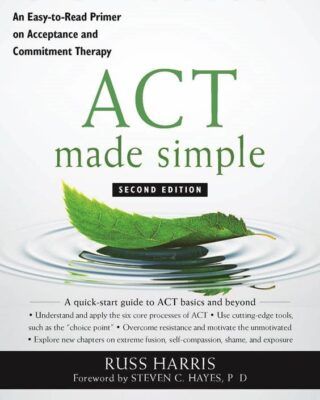
ACT Made Simple
Compulsory reading: to get the full benefit out of the ACT Made Simple workshop, please read the first chapter of ‘ACT Made Simple – 2nd edition’: click here to download
Trauma-Focused ACT
This advanced-level training assumes at least beginners-level knowledge of ACT, with an understanding of common technical terms (e.g. ‘creative hopelessness’, ‘self-as-context’). If you aren’t familiar with the ‘choice point’, please read about it here, in the first chapter of ‘ACT Made Simple, 2nd edition’: click here to download
And if you don’t know the basic techniques below, please read up on them in advance, as they will be referenced during the training:
ACT For Depression & Anxiety Disorders
This advanced-level training assumes at least beginners-level knowledge of ACT, with an understanding of common technical terms (e.g. ‘creative hopelessness’, ‘self-as-context’). If you aren’t familiar with the ‘choice point’, please read about it here, in the first chapter of ‘ACT Made Simple, 2nd edition’: click here to download
And if you don’t know the basic techniques below, please read up on them in advance, as they will be referenced during the training: